Sewage & Category 3 Cleanup Denver
Category 3 black water carries bacteria, viruses, and sewage solids, which is why the IICRC S500 standard directs that porous materials be discarded, not saved. A sewer backup that pushes gray-brown water across a…
Category 3 black water carries bacteria, viruses, and sewage solids, which is why the IICRC S500 standard directs that porous materials be discarded, not saved. A sewer backup that pushes gray-brown water across a…
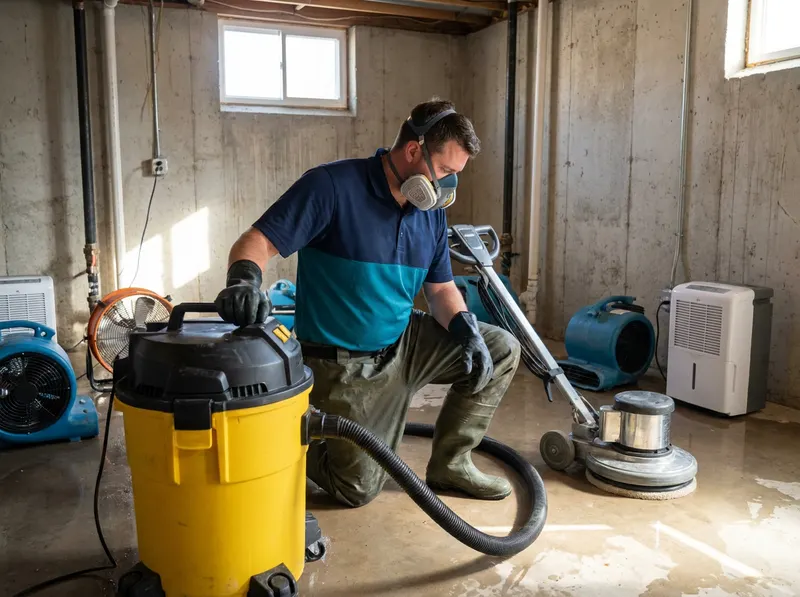
Category 3 black water carries bacteria, viruses, and sewage solids, which is why the IICRC S500 standard directs that porous materials be discarded, not saved. A sewer backup that pushes gray-brown water across a finished basement in Washington Park or Berkeley is handled differently from a clean-water pipe leak: the crew sets up containment sheeting, extracts standing water and solids, then cuts out affected drywall and pulls carpet and pad rather than attempting to dry contaminated materials in place. Non-porous surfaces, concrete slab, tile, sealed hardwood, framing, are cleaned, treated with an EPA-registered antimicrobial, and dried.
Denver's older sewer laterals drive many of these jobs. Neighborhoods platted before 1950, Baker, Cole, Highland, and much of Capitol Hill, often still run clay or Orangeburg lateral lines that crack, sag, or fill with tree roots, and Denver Water/Denver's wastewater system holds the property owner responsible for the lateral from the house to the main. A single mainline blockage during a heavy South Platte-adjacent storm can back sewage up through the lowest floor drain, which in most Denver homes is the basement.
The work runs in a set sequence. First, the area is contained and any electrical hazard is isolated. Second, black water and solids are extracted with truck-mounted or portable equipment. Third, contaminated porous materials are demolished, bagged, and removed. Fourth, all remaining surfaces are cleaned and disinfected with an antimicrobial. Fifth, HEPA air scrubbers and air movers plus dehumidifiers dry the structure, with moisture readings taken until framing and slab return to a normal dry standard.
Category 3 cleanup fits any event where water is contaminated at the source, sewage, toilet overflow past the trap, or ground floodwater, or where a clean or gray-water loss has sat untreated long enough to degrade, typically past 48, 72 hours in Denver's semi-arid climate where a mild source can still turn Category 3 once bacteria multiply. A recent, clean supply-line leak is a lesser category and is dried in place; a fouled basement is not. If sewage has reached the affected room, the safe assumption is Category 3 and full removal of what it touched.
A key point often missed: the per-square-foot price does not include repairs. Sewage cleanup restores the space to a clean, dry, sanitary shell, it does not hang new drywall, lay new carpet, or reset trim. Reconstruction is a separate scope. Homeowners insurance in Colorado frequently covers sudden sewer backup only when a specific backup endorsement is on the policy; the base HO-3 policy usually excludes it, so confirming the endorsement before filing matters.
Every job gets a firm, written price after a free on-site visit.
Tell us about your sewage & category 3 cleanup job in Denver and we'll send a clear, written quote, usually the same day.